Living a healthy lifestyle and reducing food waste go hand in hand. A zero-waste kitchen isn’t just good for the planet—it also helps you save money and make the most of every ingredient you buy. Whether you’re meal prepping plant-based meals or blending daily juices, these kitchen hacks can help you stay sustainable while eating well.
- Use the Whole Vegetable—Not Just the Pretty Parts
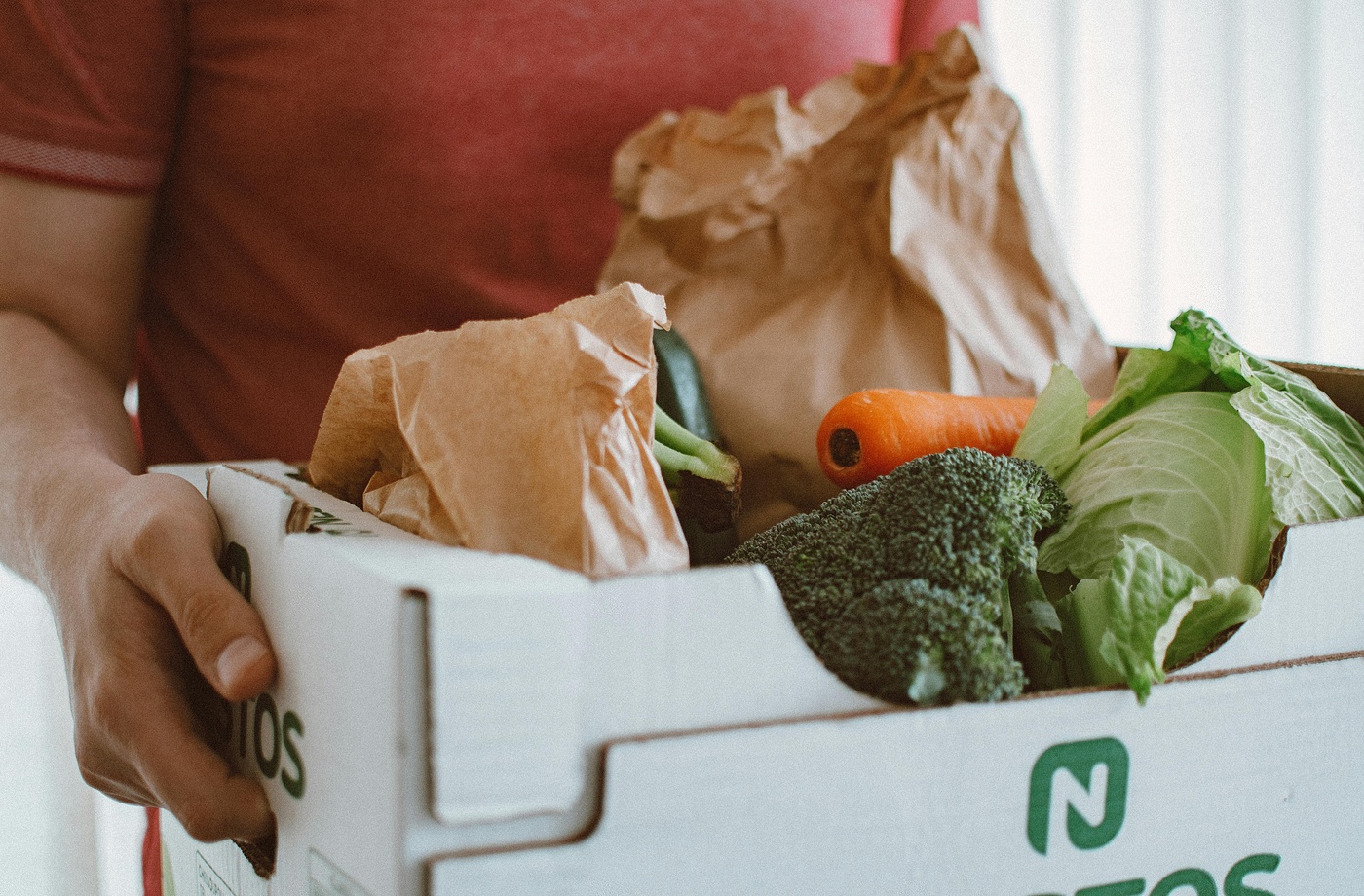
Don’t toss those broccoli stems or carrot tops. Many parts of vegetables we usually discard are edible and nutritious.
Try this:
- Broccoli stems can be spiralized or shredded for slaws.
- Carrot tops make a great pesto when blended with garlic, olive oil, and lemon juice.
- Beet greens are rich in iron and can be sautéed or juiced.
For more inspiration, check out Save the Food, an initiative by the NRDC focused on reducing food waste at home.
- Regrow from Scraps
Regrowing kitchen scraps is a fun and surprisingly easy way to get more out of your produce. Green onions, lettuce, celery, and herbs can regrow in water on your windowsill.
How to start: Place the root ends in a jar of water with sunlight and change the water every 2–3 days. Once new growth appears, you can replant in soil or keep trimming as needed.
- Juice Pulp Doesn’t Have to Go to Waste
Juicing can produce a lot of pulp—but don’t toss it. That fiber-rich material can be repurposed in multiple ways:
- Add to smoothies for texture and bulk
- Use as a veggie base for soups or broth
- Mix into muffins or veggie burgers for added fiber
Even citrus peels can be zested, candied, or used to make natural cleaners.
- Organize with First-In, First-Out
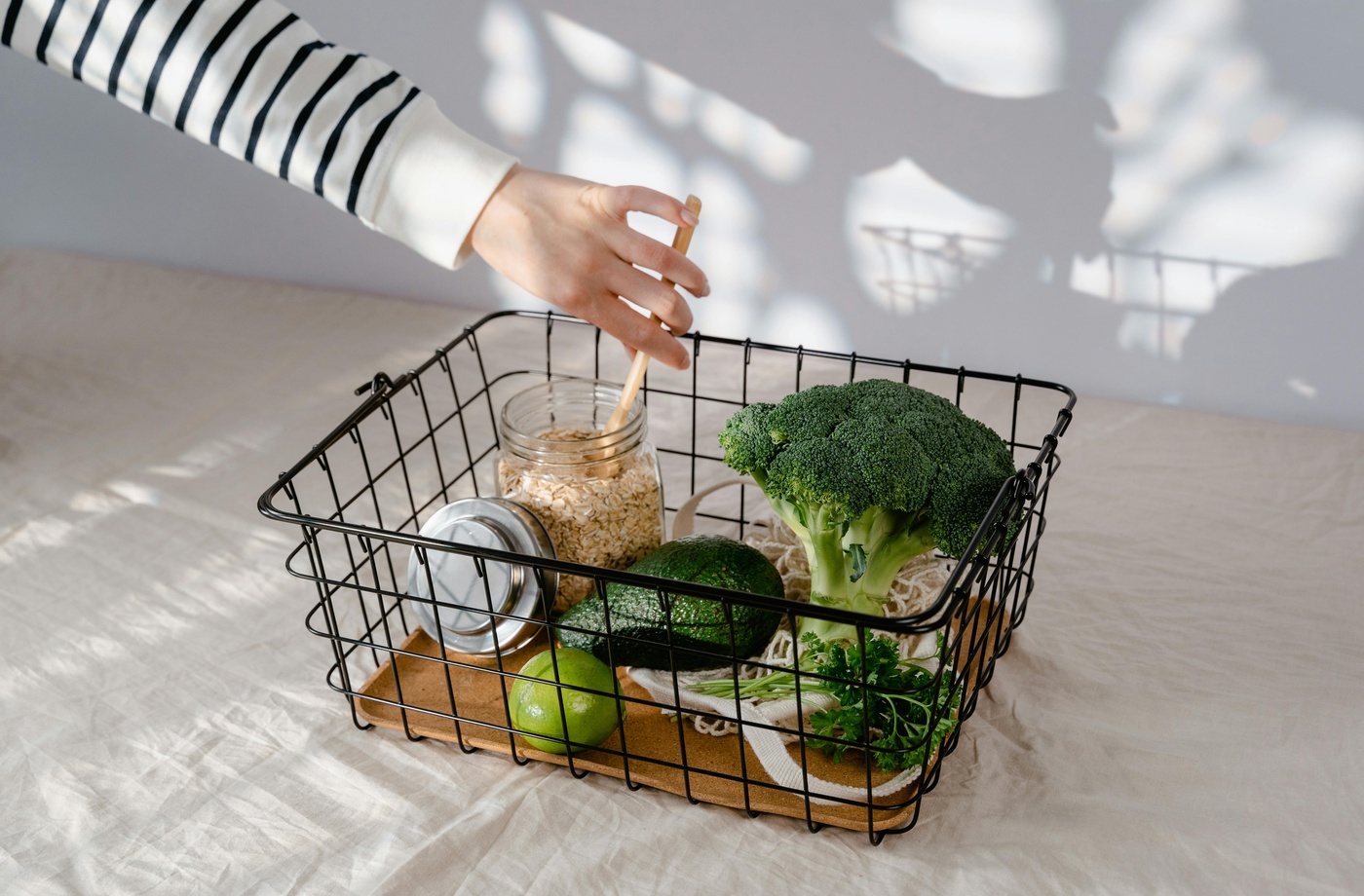
Apply restaurant logic to your home kitchen. Arrange your fridge and pantry so that older ingredients are in front and newer ones are in the back. Label containers with dates and use glass jars to track what’s inside.
This method dramatically reduces forgotten food waste and ensures you use what you have before buying more.
- Freeze Everything You Can
Freezing is one of the easiest ways to prevent spoilage. Chop and freeze greens, fruit, and herbs before they wilt. Store veggie scraps (like onion skins and garlic ends) in a freezer bag to use later for homemade broth.
Check out the FDA’s freezer storage chart for guidance on how long items stay safe and nutritious when frozen.
- Shop Smarter to Reduce Excess
Avoid overbuying by planning your meals in advance and sticking to a list. Apps like Ibotta and Rakuten can help you get cashback on pantry essentials.
For even more savings, use Fluz to purchase digital gift cards before you shop. You can get cashback at Whole Foods, save money on Sprouts purchases, or earn cashback with a H-E-B gift card—all excellent spots to stock up on whole, fresh ingredients with zero-waste potential.
- Compost What You Can’t Use
When scraps really can’t be reused, composting is your best solution. Composting returns organic matter to the soil, reduces methane in landfills, and closes the loop on your kitchen waste cycle.
Learn how to start with EPA’s guide to composting at home.
Waste Less, Nourish More
Healthy eating isn’t just about what’s on your plate—it’s about how you source, store, and use ingredients. By building a zero-waste kitchen, you can align your wellness goals with sustainability and get more value out of every bite.