Not every tomato needs to be perfectly round, and not every carrot has to be straight. Imperfect produce—fruits and vegetables with cosmetic blemishes or irregular shapes—is just as nutritious, often cheaper, and plays a vital role in reducing food waste. Embracing these “ugly” foods is a smart move for your wallet, your health, and the environment.
Why Imperfect Produce Deserves a Place in Your Kitchen
A large portion of food waste happens before it even reaches store shelves. According to the Natural Resources Defense Council (NRDC), nearly 20% of produce is discarded for aesthetic reasons alone. This includes items with surface blemishes, uneven coloring, or odd shapes—none of which affect taste or nutritional value.
By choosing imperfect produce, you’re helping reduce unnecessary waste and making use of food that would otherwise be tossed despite being perfectly edible.
How to Cook with “Ugly” Produce
Misshapen fruits and vegetables work beautifully in any recipe where appearance doesn’t matter. Juicing, soups, stews, smoothies, sauces, and baked goods are perfect uses for produce that’s past its prime or less-than-photogenic.
Ideas to get started:
- Use overripe bananas for banana bread or pancakes
- Blend bruised apples into applesauce or smoothies
- Turn blemished tomatoes into homemade pasta sauce
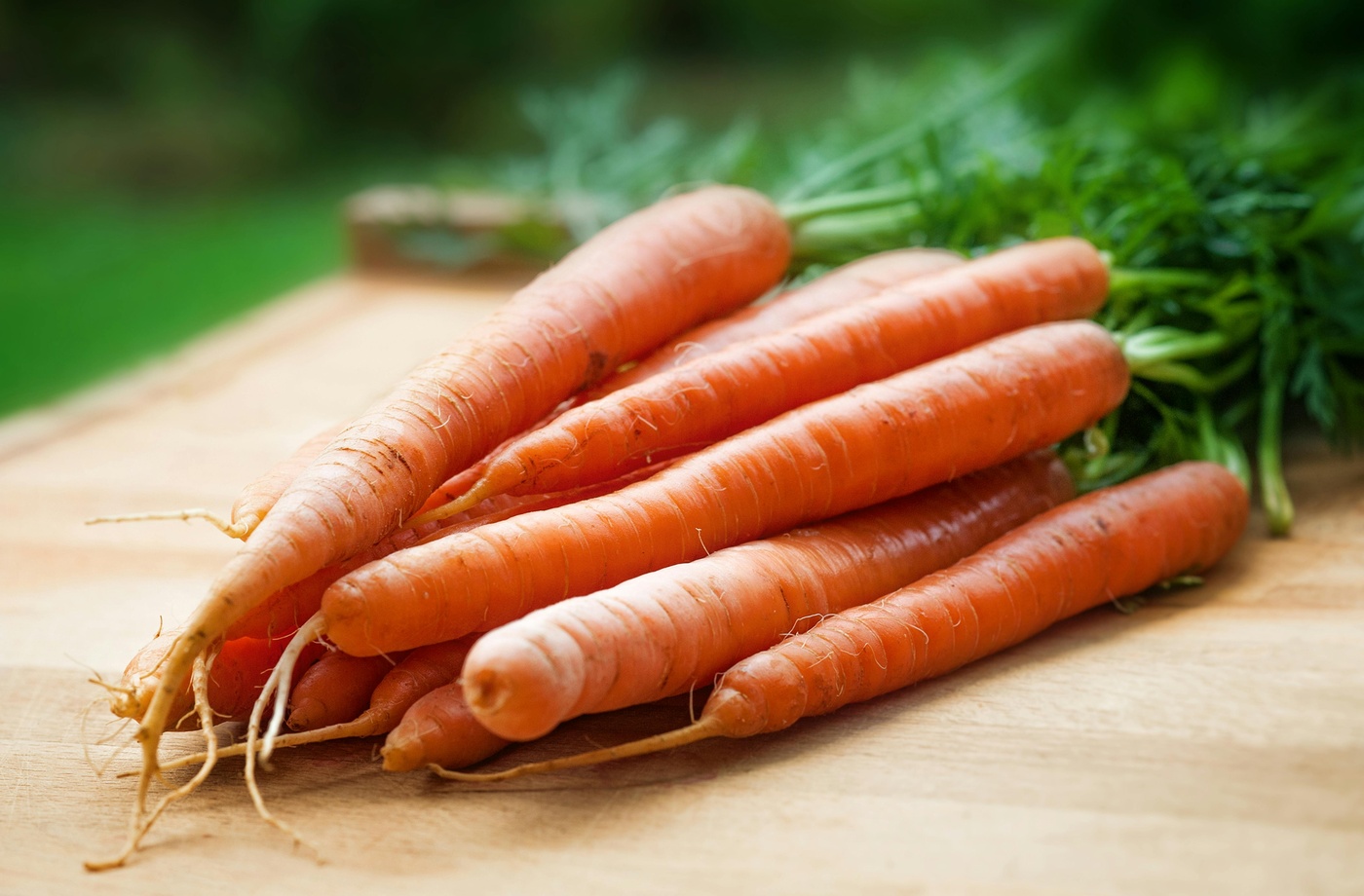
- Juice wrinkled carrots or celery with ginger and lemon
These options are nutrient-rich and flavorful, even if they don’t win beauty contests.
Where to Buy Imperfect Produce
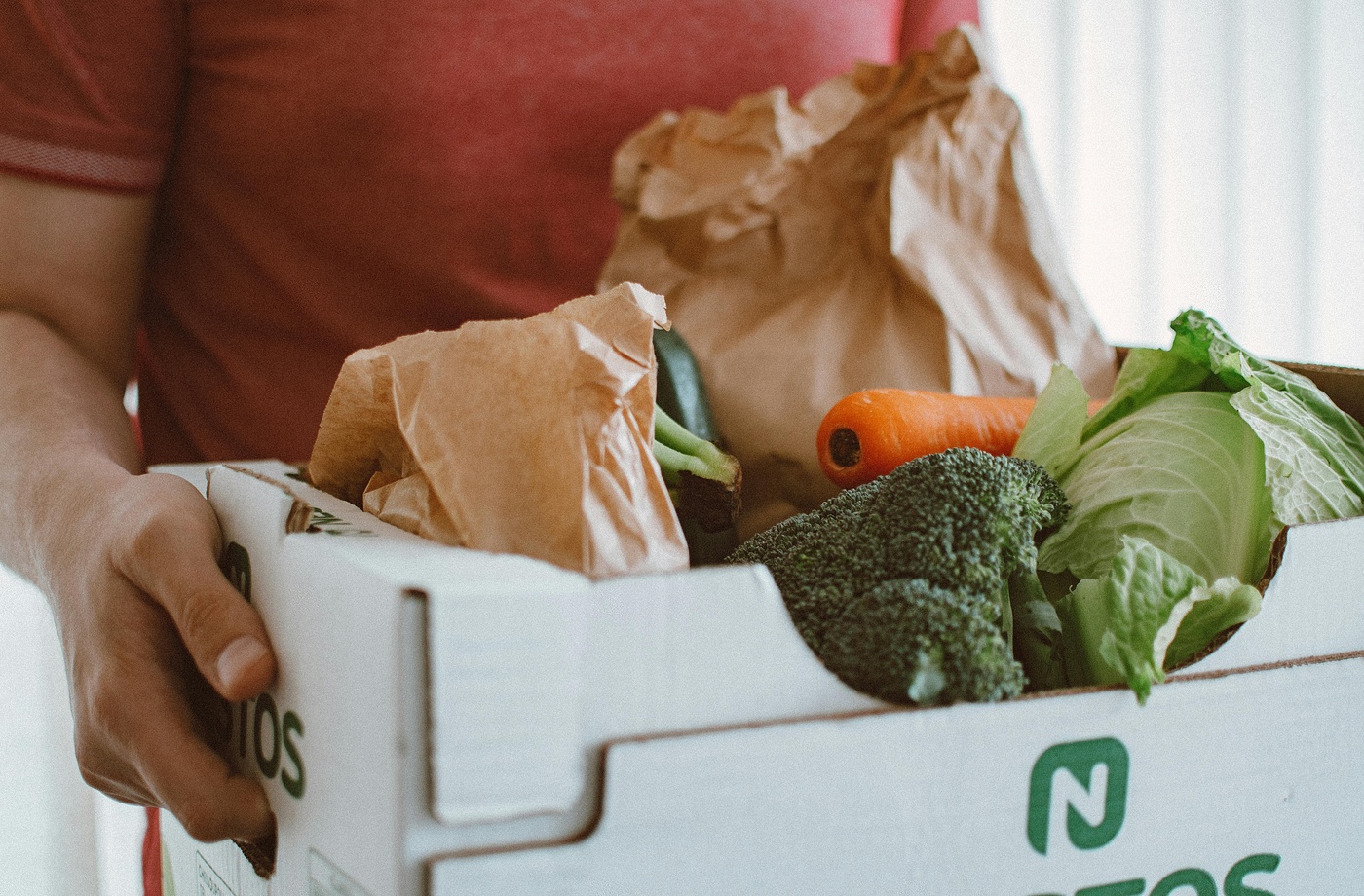
Many retailers and farms now embrace “ugly” food initiatives. Online delivery services like Imperfect Foods and Misfits Market specialize in delivering discounted, sustainable produce right to your door.
Some local grocers and farmers markets offer discount bins for misshapen or slightly bruised produce. You can also ask local vendors if they offer seconds or surplus items for a lower price.
Save More When You Shop Smart
Imperfect produce is often already marked down—but you can stack your savings with cashback apps like Ibotta and Rakuten when shopping in-store or online.
You can also use Fluz to stretch your grocery budget even further. By purchasing gift cards for grocery stores like Whole Foods, Sprouts, or H-E-B, you can get cashback at Whole Foods, save money on Sprouts purchases, or earn cashback with a H-E-B gift card—all while supporting more sustainable shopping habits.
Be Part of the Solution
Choosing imperfect produce isn’t just a budget-conscious decision—it’s a powerful way to fight food waste, lower your carbon footprint, and reshape the food system. By giving “ugly” fruits and vegetables a second chance, you’re sending a message that nutrition matters more than appearance.