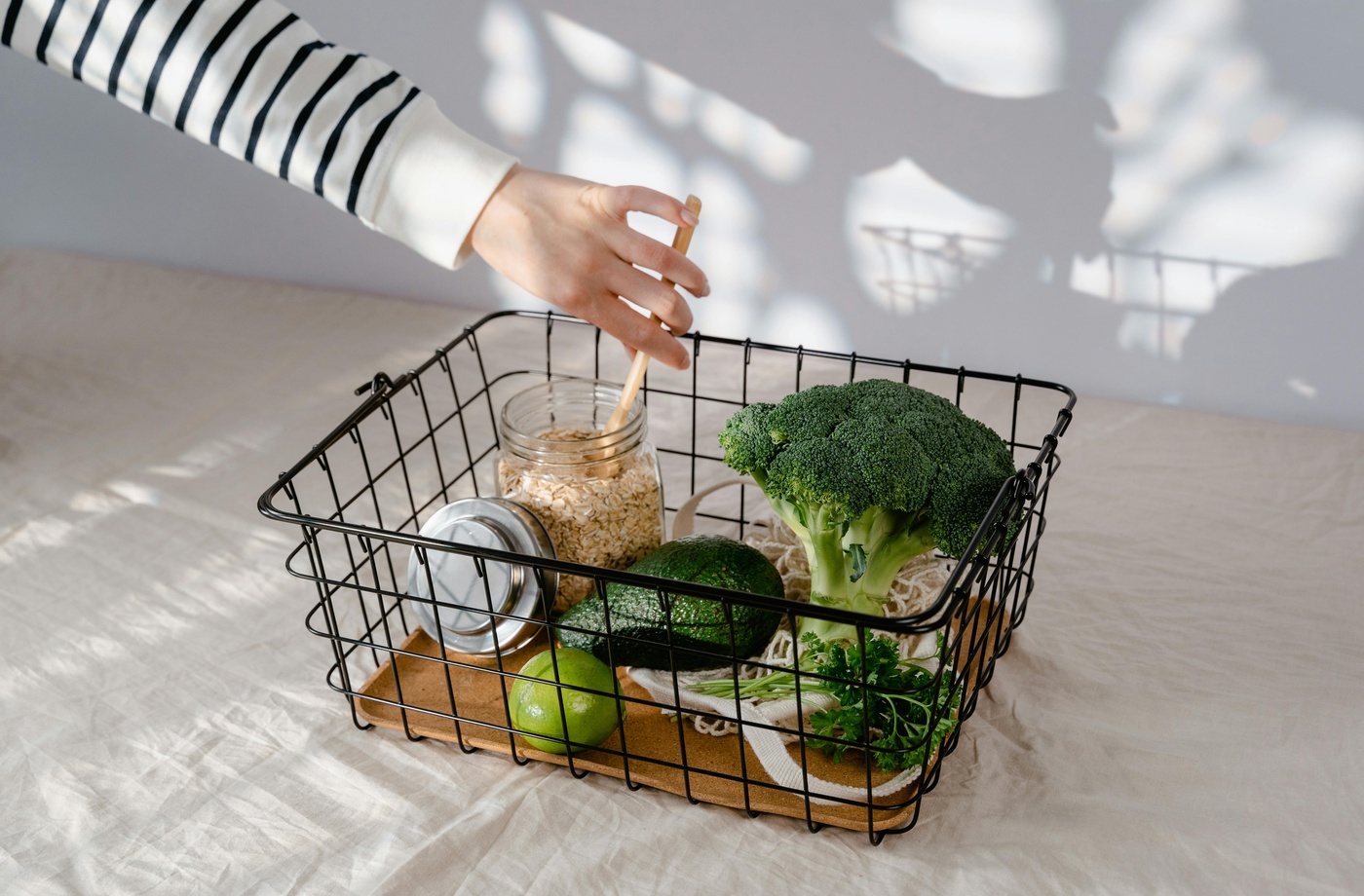
One of the most effective ways to reduce food waste in your kitchen is by embracing root-to-stem cooking. This approach encourages using the entire vegetable—roots, stems, leaves, and all—transforming parts that are often tossed into flavorful, nutritious components of your meals. It’s a simple strategy that promotes sustainability, cuts down on grocery costs, and helps you get the most out of your produce.
Why Root-to-Stem Matters
Every year, billions of pounds of food are wasted in the U.S., much of it in the form of vegetable scraps that are completely edible. According to the EPA, reducing food waste at home is one of the easiest ways to lower your environmental impact.
Root-to-stem eating also supports a more mindful, sustainable lifestyle by encouraging you to value the entire plant—not just its most familiar parts.
Creative Ways to Use Every Part
Here are some commonly discarded parts of vegetables and how to put them to use:
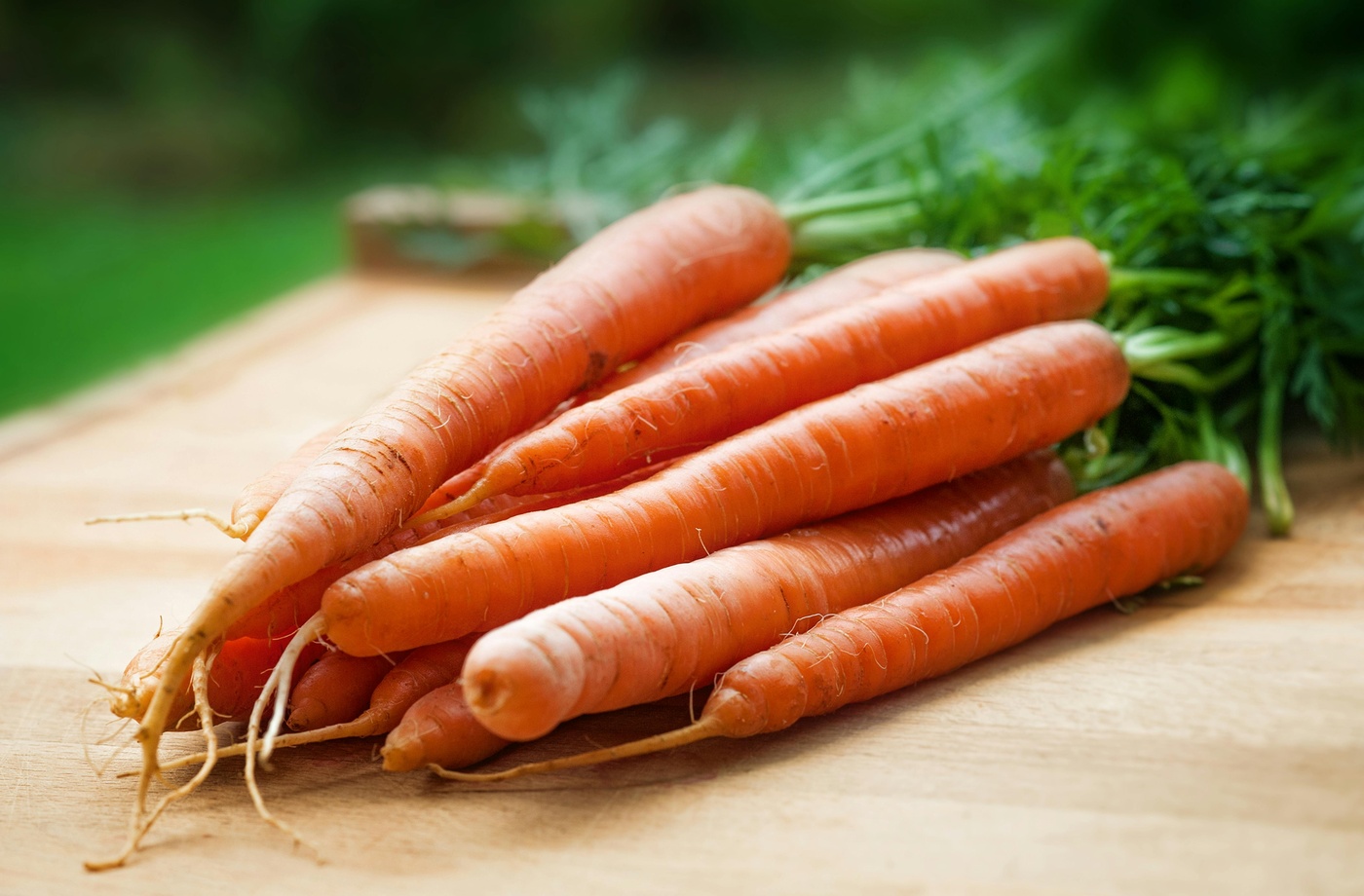
- Carrot Tops
These leafy greens are packed with nutrients like vitamin K and potassium. Use them to make pesto, chimichurri, or add them to broths. - Broccoli Stems
Often thrown away, broccoli stems are sweet, crunchy, and perfect for slaws, soups, or stir-fries once peeled. - Beet Greens
High in iron and calcium, beet greens are similar to chard and can be sautéed, added to smoothies, or juiced. - Cauliflower Leaves
Cauliflower leaves are excellent roasted with olive oil and salt or added to curries and grain bowls for texture and flavor. - Herb Stems (Cilantro, Parsley, Basil)
Don’t toss the stems—blend them into sauces, soups, or dressings. They carry just as much flavor as the leaves. - Swiss Chard Stalks
These colorful stems are great pickled, roasted, or chopped into grain salads for added crunch.
For more ideas, check out Save the Food’s interactive storage and usage guide.
Tips for Getting Started
- Wash produce thoroughly, especially if using peels or greens.
- Store leaves and stems separately in breathable containers to extend freshness.
- Freeze any extras for broths or juicing later.
- Juice fibrous scraps like kale stems, celery tops, and beet greens in combination with citrus for a nutrient-packed drink.
Stretch Your Budget with Whole-Veg Cooking
Using every part of your produce means you can buy less, waste less, and eat more creatively. To save even more, stack this approach with smart grocery shopping. Use cashback platforms like Ibotta and Rakuten to earn rewards on plant-based ingredients.
For additional savings, try Fluz, where you can get cashback at Whole Foods, save money on Sprouts purchases, or earn cashback with a H-E-B gift card—all great options for sourcing high-quality, fresh produce ideal for root-to-stem cooking.
Reimagine What’s Edible
Root-to-stem eating invites you to see your kitchen—and your produce—with fresh eyes. It’s not just about sustainability. It’s about discovering flavors, textures, and nutrients that might otherwise go to waste. With a little creativity and a lot of intention, every part of the vegetable can become a delicious part of your meal.