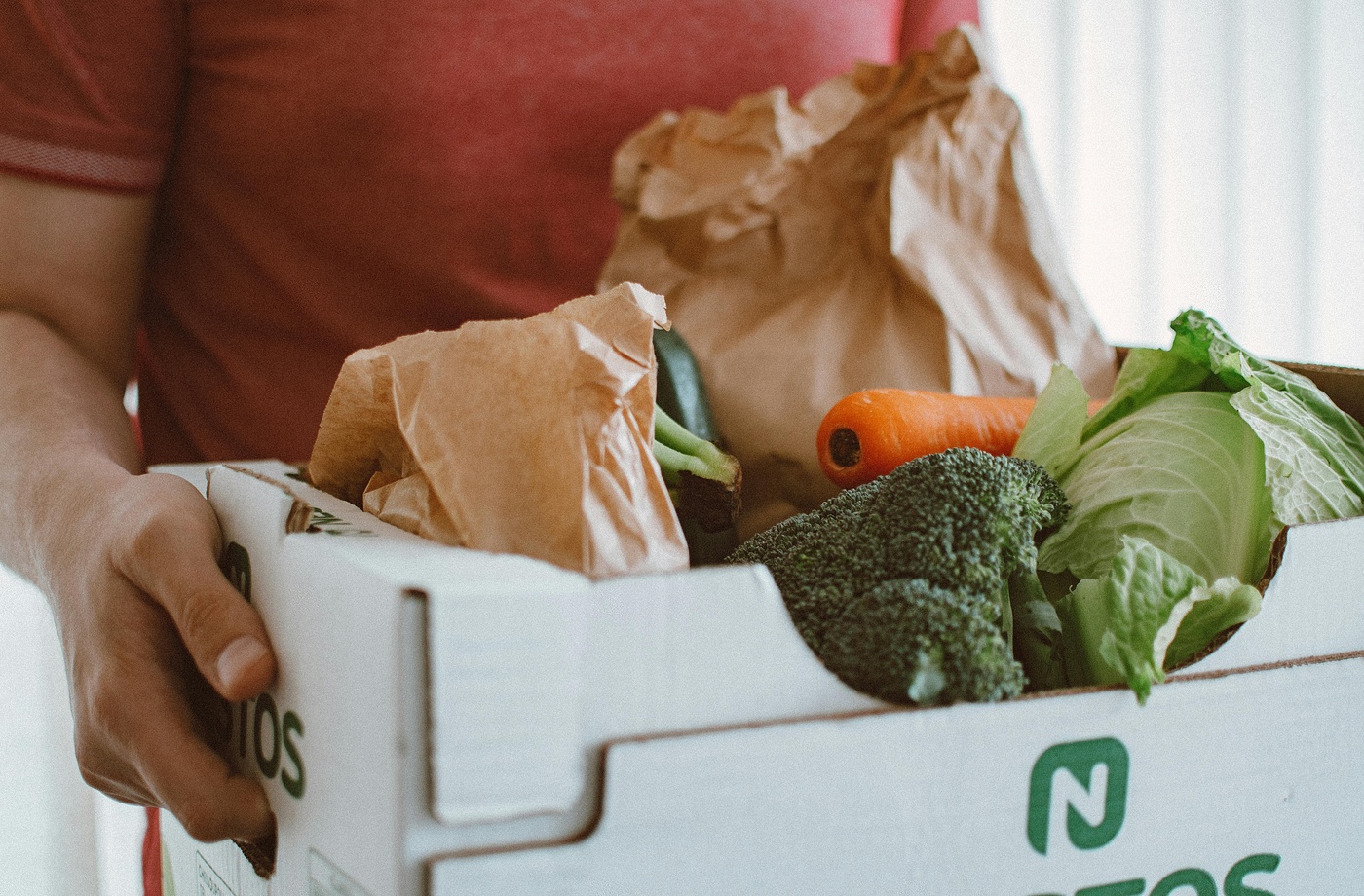
Storing fresh produce properly is one of the easiest ways to reduce food waste, save money, and make healthy eating more convenient. Whether you’re meal prepping for the week or stocking up on ingredients for daily juicing, understanding how to keep fruits and vegetables at peak freshness will help you avoid spoilage and preserve nutrients.
Why Proper Storage Matters
Improper storage can lead to moisture loss, mold, and nutrient degradation. The average household throws away about 20% of the produce it buys. By learning where and how to store your food, you extend shelf life and get more value out of every trip to the market.
Produce That Belongs in the Fridge
These items stay freshest when kept cold and slightly humid:
- Leafy greens: Wrap in a damp paper towel and store in a breathable bag in the crisper drawer.
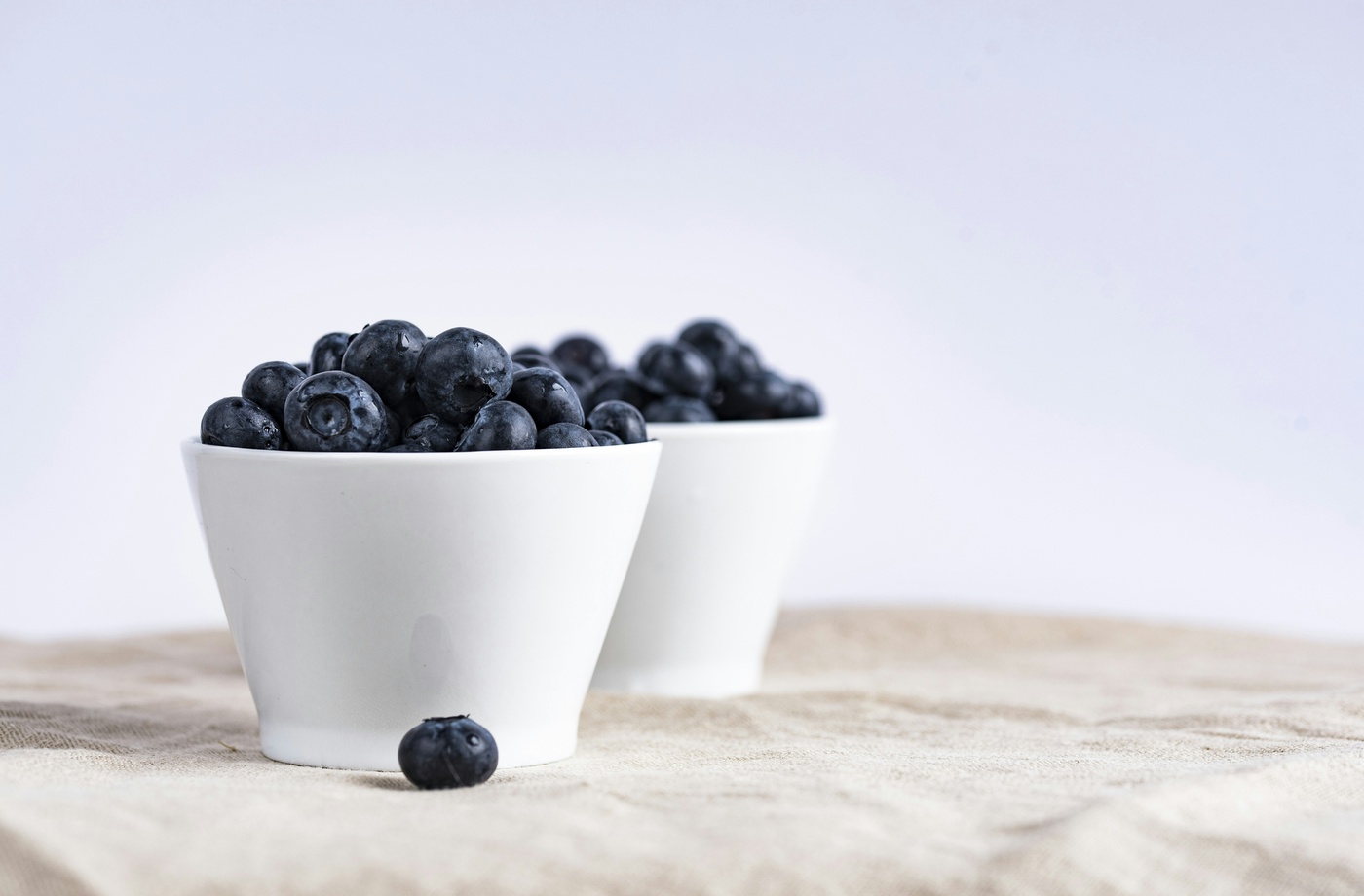
- Berries: Store unwashed in a single layer in a container lined with paper towels. Rinse just before eating.
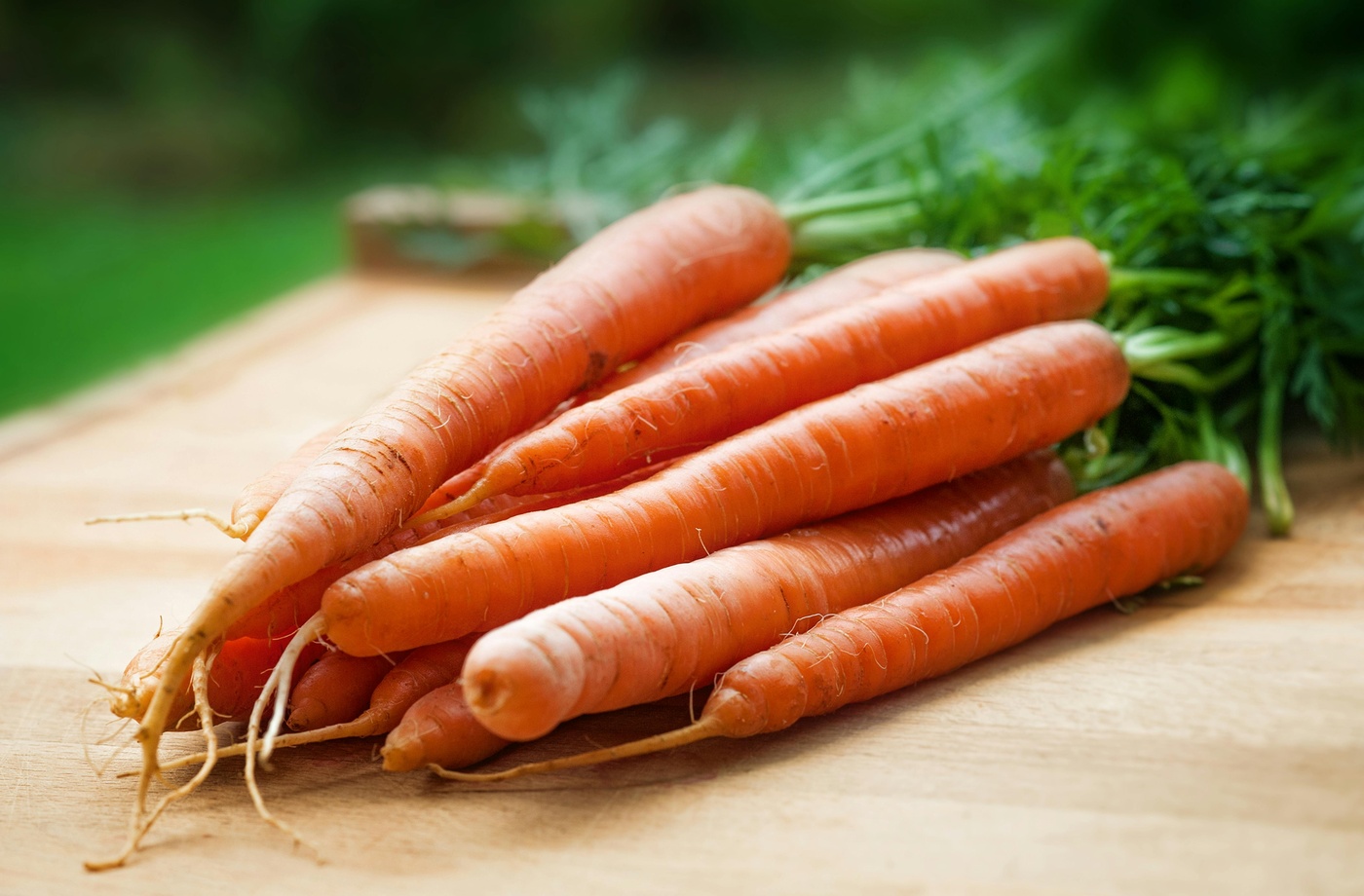
- Carrots and celery: Store in water in a sealed container for crispness.
- Broccoli and cauliflower: Keep in loosely closed bags in the vegetable drawer.
- Herbs (like cilantro and parsley): Treat like fresh flowers—trim stems and store upright in a jar of water with a plastic bag loosely over the top.
Produce That Should Stay on the Counter
Some fruits and vegetables do better at room temperature until they ripen:
- Tomatoes: Refrigeration dulls flavor—store stem-side down at room temperature.
- Bananas: Keep on the counter, away from other produce to avoid speeding up ripening.
- Avocados: Let ripen on the counter, then transfer to the fridge.
- Stone fruits (peaches, plums, nectarines): Ripen at room temp, then chill to preserve.
- Citrus: Fine at room temperature for up to a week; refrigerate to extend shelf life.
Avoid These Common Mistakes
- Don’t mix ethylene producers with sensitive items: Apples, bananas, and avocados give off ethylene gas, which speeds up ripening in other produce. Keep them away from greens or berries.
- Avoid airtight bags for mushrooms: Store in a paper bag in the fridge to prevent sliminess.
- Don’t wash until ready to use: Moisture can promote mold and spoilage in berries, lettuce, and herbs.
For more detailed guidelines, the FDA’s Food Storage Chart is an excellent reference.
Extend Freshness with Smart Tools
Consider using:
- Produce storage containers with adjustable humidity vents
- Reusable silicone produce bags
- Glass jars or containers for chopped vegetables
- Paper towels or cloths to absorb excess moisture in containers
Save While You Shop and Store
Fresh produce doesn’t have to be expensive—especially if you use cashback platforms like Ibotta or Rakuten to get rewards on grocery essentials.
You can also maximize your savings with Fluz. Before your next grocery trip, buy a digital gift card through Fluz to get cashback at Whole Foods, save money on Sprouts purchases, or earn cashback with a H-E-B gift card. Combine those savings with smart storage, and your produce will stay fresh and budget-friendly.
Make Every Leaf Count
Knowing how to store fruits and vegetables properly empowers you to get the most out of your groceries. By reducing waste, extending shelf life, and shopping smart, you’ll stretch your dollar and enjoy fresher, healthier meals every day.